



Creatine is one of the most researched and widely used sports nutrition supplements in the world. Backed by hundreds of scientific studies, it has become one of the most extensively studied ingredients for supporting exercise performance.
As research has evolved, scientists have continued to investigate creatine's potential applications beyond sport, including areas such as healthy ageing and cognitive function. While some findings are promising, research in these areas is still developing.
As creatine has become increasingly popular, supermarket shelves and online stores are now feature products all claiming to be "100% Creatine Monohydrate." So, are they all the same?
The short answer is no.
While the active ingredient may be identical, differences in manufacturing, purity, testing and quality control can influence overall product quality.
What Is Creatine?
Creatine is a naturally occurring compound made from three amino acids:
- Glycine
- Arginine
- Methionine
Your body produces creatine primarily in the liver and kidneys, while additional creatine comes from foods such as red meat and fish.
The average adult stores around 120 grams of creatine, with approximately 95% found in skeletal muscle. Smaller amounts are present in the brain, heart and other tissues.
Every day we naturally use around 2 grams of creatine, meaning it needs to be continually replenished through the body's own production, dietary intake or supplementation.
Sports nutrition literature generally estimates a daily requirement of approximately 1–3 grams, depending largely on muscle mass.
How Does Creatine Work?
Inside muscle cells, creatine is converted into phosphocreatine.
Phosphocreatine acts as a rapid energy reserve, helping regenerate adenosine triphosphate (ATP) the body's immediate source of cellular energy.
During high-intensity exercise, ATP is depleted rapidly. Phosphocreatine helps recycle ATP, allowing muscles to continue producing energy during repeated bouts of high-intensity activity.
What Does the Research Show?
Scientific research has shown that creatine supplementation, when used alongside appropriate training, may support:
- Strength and power during high-intensity exercise
- Performance during repeated bouts of high-intensity exercise
- Increases in lean body mass when combined with resistance training
- Restoration of phosphocreatine stores between intense exercise efforts
Researchers continue to investigate whether creatine may have broader applications beyond sports performance, including healthy ageing and cognitive function. While early findings are encouraging in some populations, further research is ongoing.
Are All Creatine Supplements the Same?
This is where many consumers become confused.
If every product says "100% Creatine Monohydrate," shouldn't they all perform identically?
Chemically, the active ingredient is the same.
However, the quality of the raw material may not be.
A label only identifies the intended ingredient. It does not tell you:
- Who manufactured it
- How it was manufactured
- How pure it is
- Whether each batch has been tested
- What quality standards were followed
- How contaminants have been controlled
The real difference between creatine products is often what has been controlled, removed and verified during manufacturing.
Why Purity Matters
Creatine is typically consumed daily and often for extended periods.
Because it is used regularly, manufacturers place significant emphasis on maintaining consistent quality and verifying purity through appropriate quality assurance processes.
High-quality manufacturing focuses on reducing process-related impurities and verifying product specifications through routine testing.
Creatinine
Creatinine is a natural breakdown product of creatine.
Small amounts may occur during manufacturing or develop when creatine is exposed to unfavourable storage conditions, particularly in acidic liquids over extended periods.
Well-controlled manufacturing and storage practices help minimise these impurities.
Heavy Metals
Heavy metals such as:
- Lead
- Cadmium
- Mercury
- Arsenic
are not naturally part of creatine.
If present, they may arise from contaminated raw materials, water, equipment or manufacturing processes.
Importantly, consumers should not assume that all generic creatine contains heavy metals, nor that country of origin alone determines product quality.
Meaningful quality assurance comes from supplier qualification, appropriate manufacturing controls and testing against defined specifications.
Purity should be demonstrated, not assumed.
What Makes a Quality Creatine?
A reputable manufacturer should be able to answer questions such as:
- Who manufactured the creatine?
- Where was it manufactured?
- What manufacturing standards were followed?
- Can each batch be traced?
- Has the supplier been appropriately qualified?
- Is the product tested against defined quality specifications?
These factors provide greater confidence than marketing claims alone.
Creatine Monohydrate vs Other Forms
The supplement industry offers many alternative forms of creatine, including:
- Creatine Hydrochloride (HCl)
- Buffered Creatine
- Creatine Nitrate
- Various Creatine Salts
While these products often promote unique features, current research continues to support creatine monohydrate as the benchmark form.
It is:
- The most extensively researched form
- Well established for exercise performance
- Widely studied for safety
- Cost effective
For most consumers, the important question isn't which form of creatine to buy.
It's whether the creatine monohydrate has been manufactured, tested and quality controlled appropriately.
ATP Science Creatine Range
At ATP Science, quality begins long before the product reaches the shelf.
Each creatine option has been selected to meet defined quality specifications while offering different user experiences.
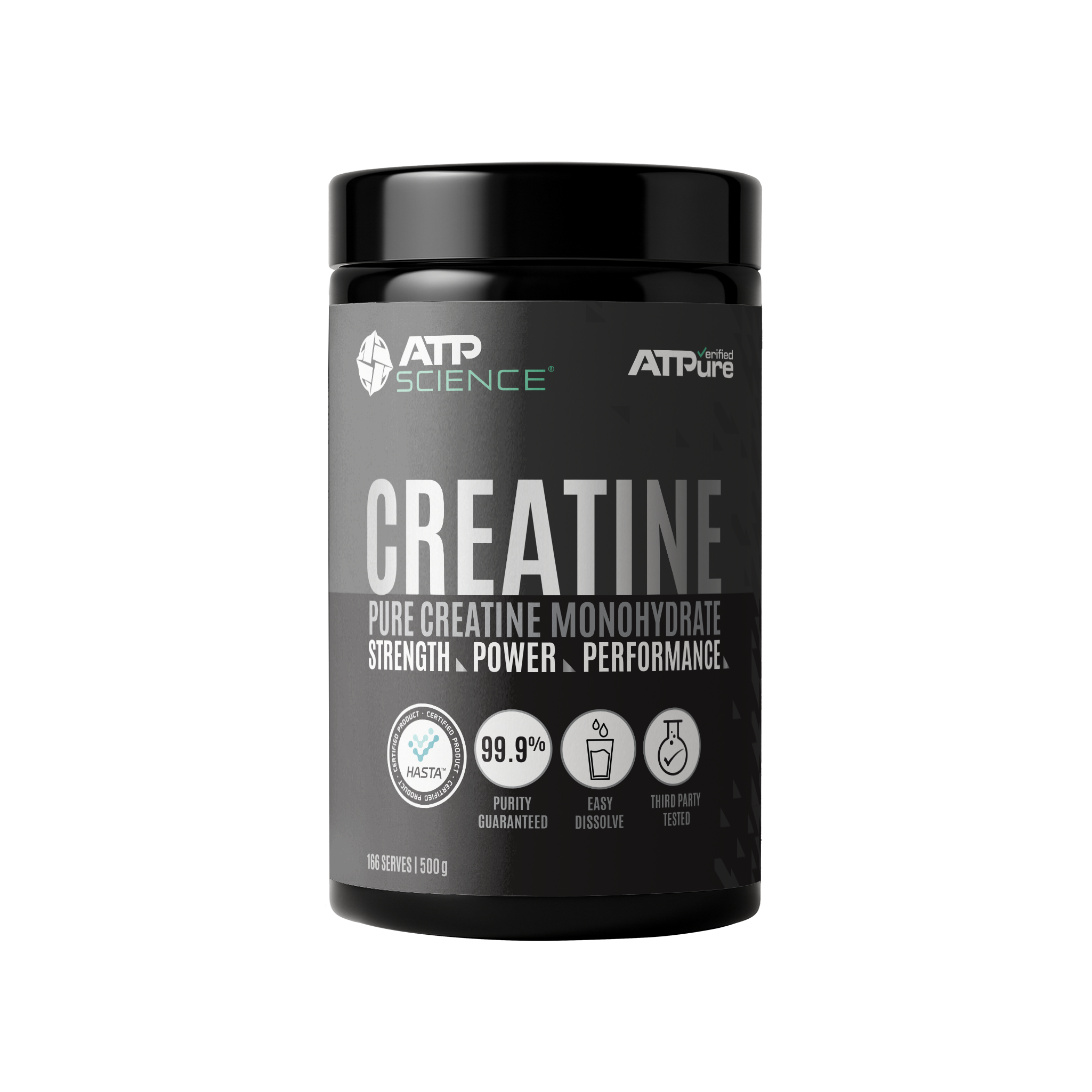
ATPure Verified
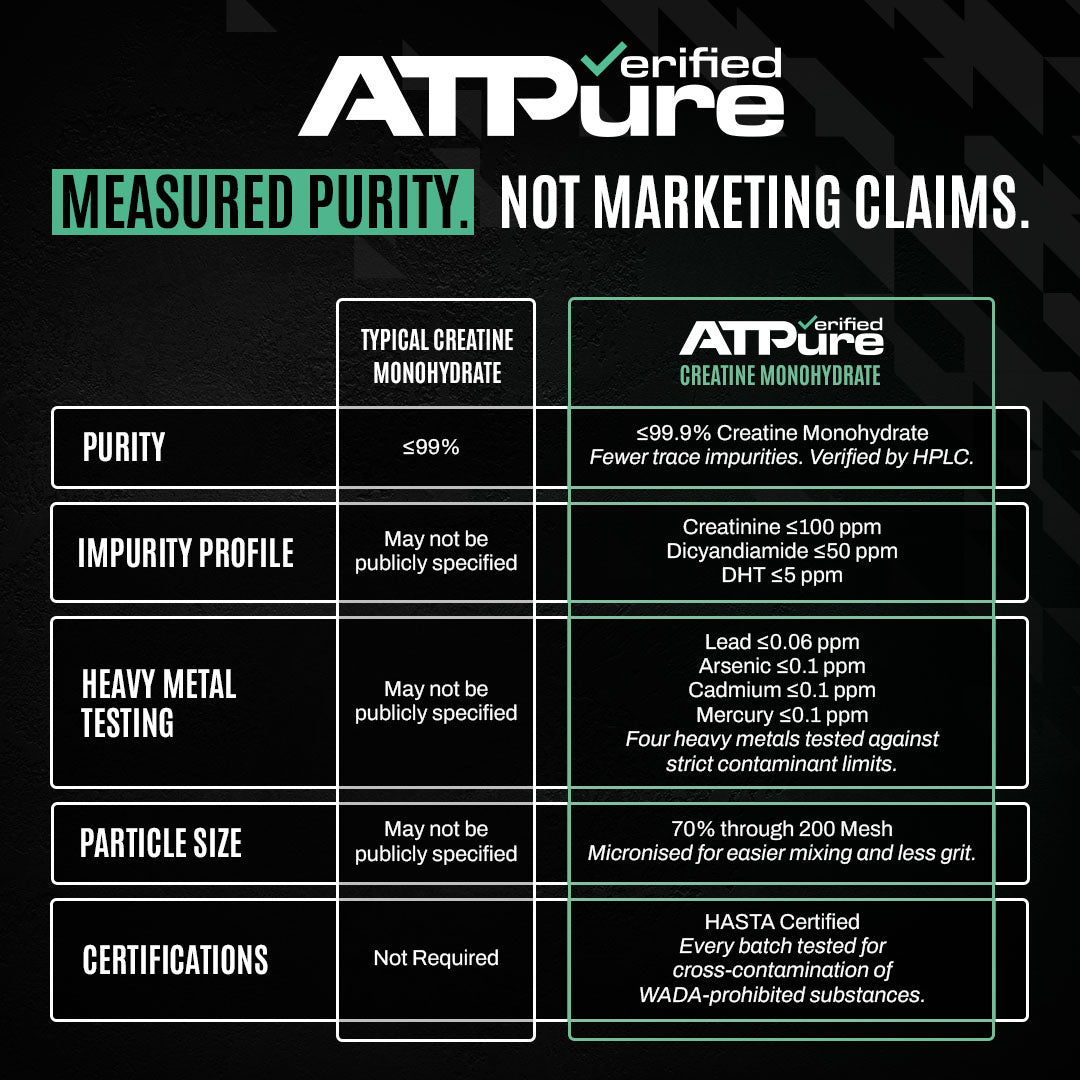
ATPure Verified has been developed for consumers seeking exceptionally high purity and rigorous quality assurance.
Key features include:
- 99.9% measured purity
- Carefully selected manufacturing partners
- Audited supply chain
- Strict quality control throughout sourcing and production
- Batch testing against defined specifications
- Optimised to improve the mixing experience
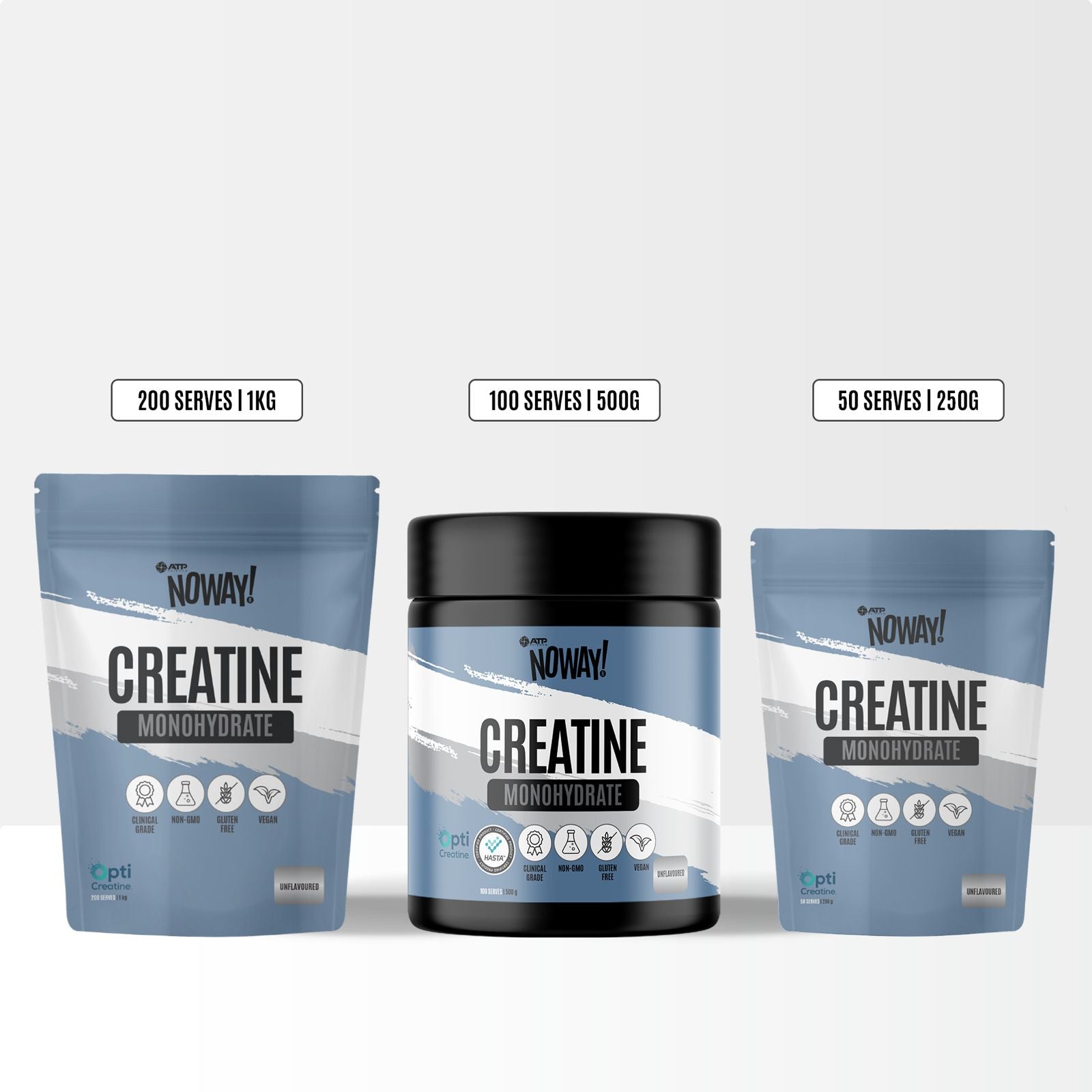
NOWAY! OptiCreatine®
NOWAY! uses OptiCreatine®, an optimised creatine monohydrate designed to improve the everyday experience of taking creatine.
OptiCreatine offers 99.5% purity while reducing particle size to improve:
- Mixability
- Dispersibility
- Mouthfeel
- Suspension in liquid
Reducing particle size does not change the physiological action of creatine monohydrate or necessarily increase absorption. Its primary benefit is improving the consumer experience by reducing chalkiness and improving suspension in water.
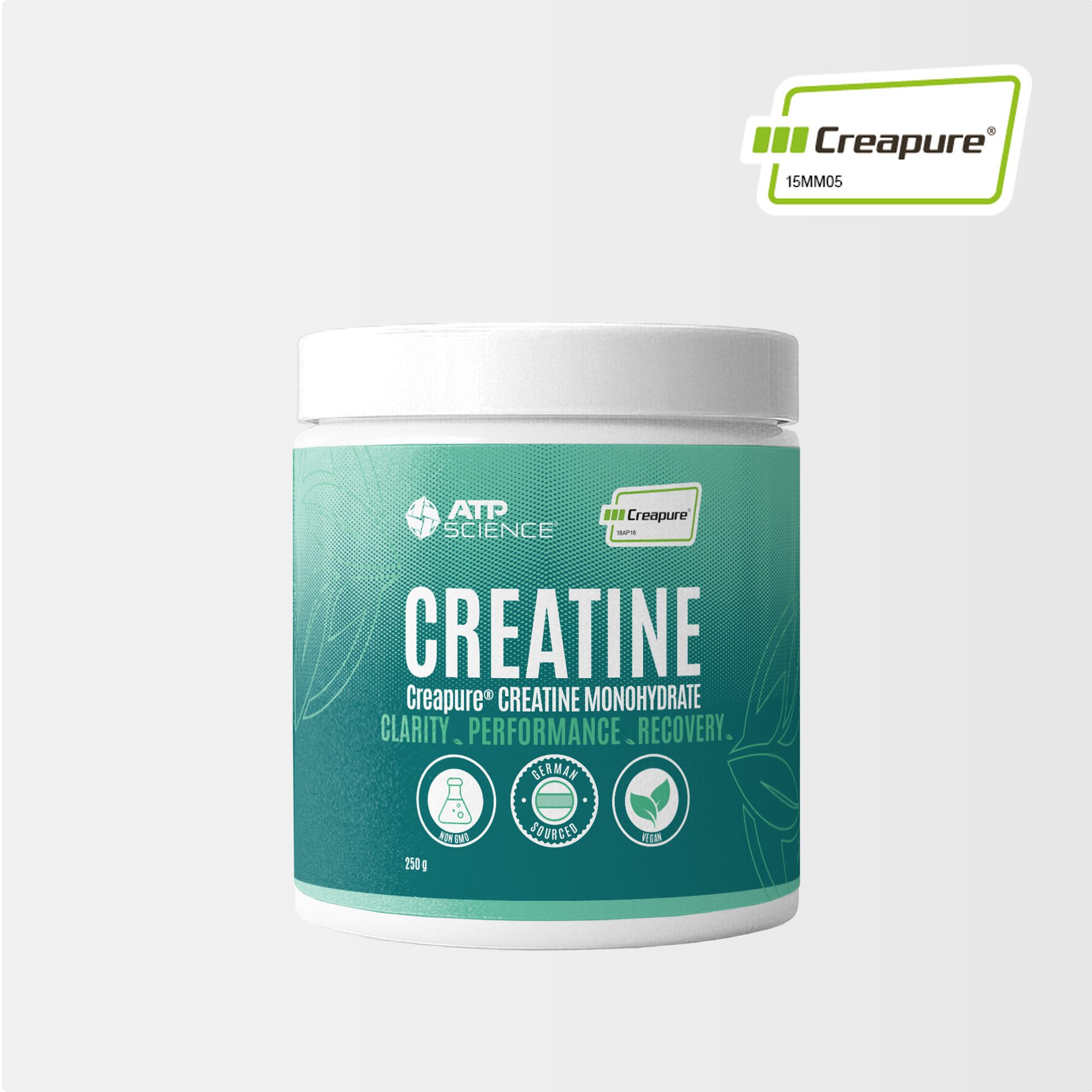
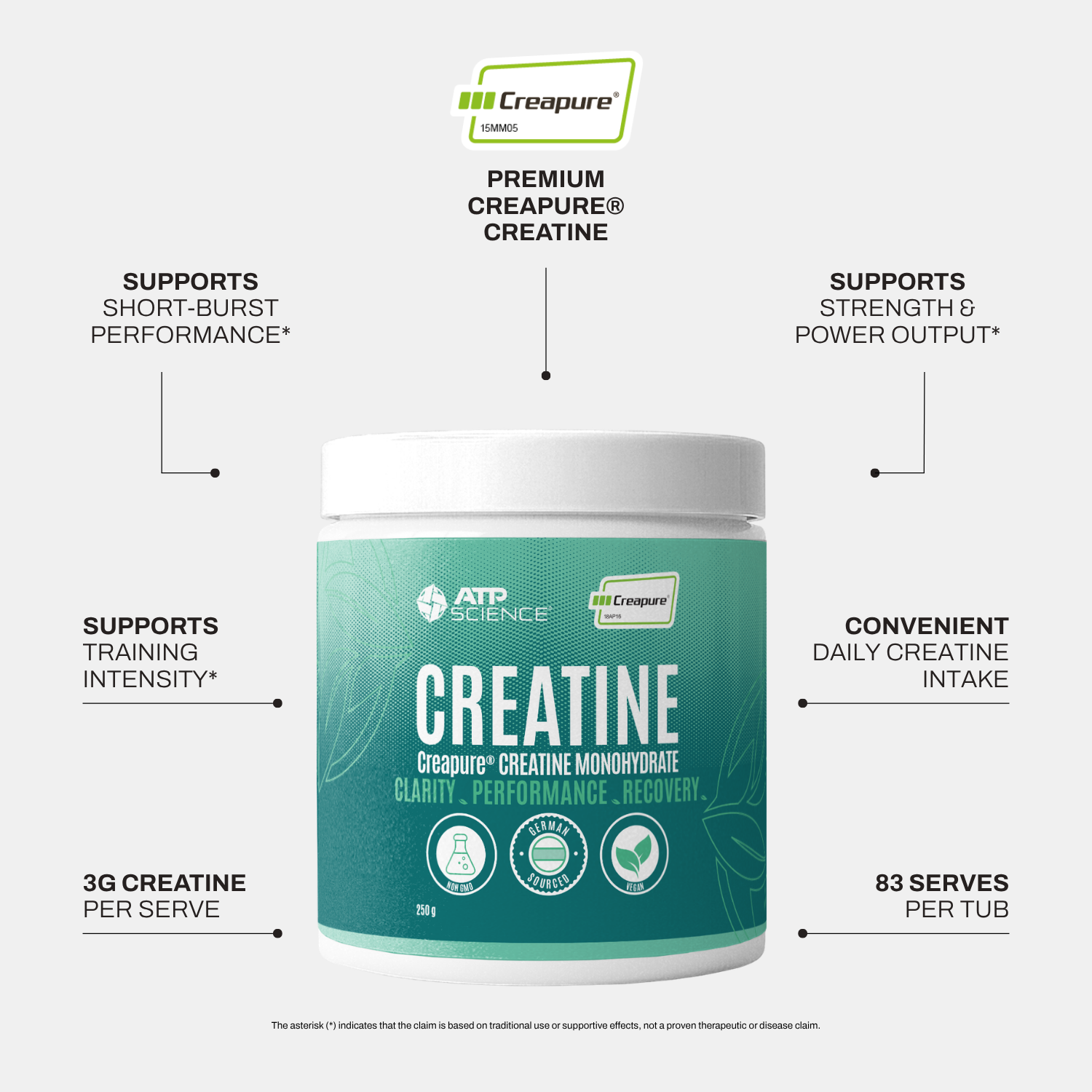
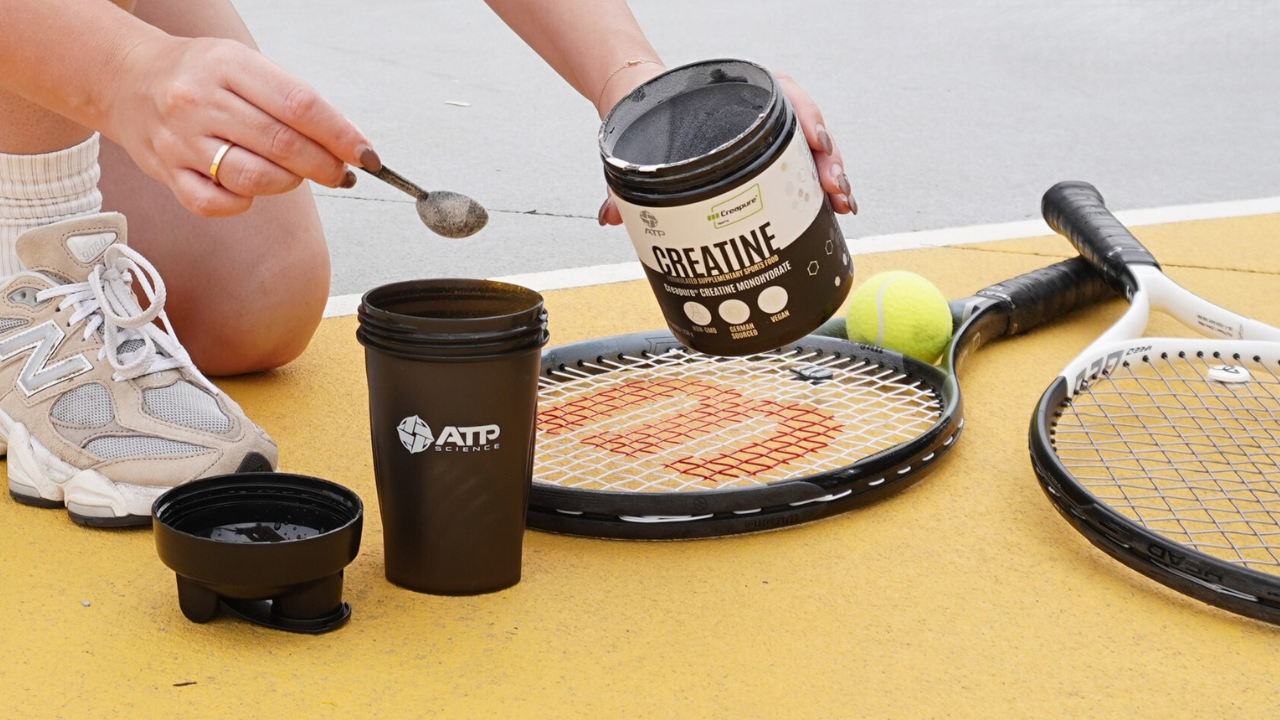
Creapure®
Creapure® is one of the world's best-known branded creatine monohydrate ingredients.
Manufactured in Germany, it has built its reputation on:
- Defined manufacturing controls
- Traceability
- Published purity specifications
- Extensive quality assurance
Creapure reports a creatine monohydrate purity of at least 99.9% and tests for manufacturing-related impurities.
Its reputation comes from consistent manufacturing quality—not because the creatine molecule behaves differently once it reaches the muscle.
It is also important to recognise that Creapure is not the only high-quality creatine available. Creatine monohydrate produced by qualified manufacturers and supported by rigorous testing programs can also achieve high purity and quality standards.
Choosing the Right Creatine
Rather than focusing on marketing claims alone, consumers should consider:
- Is it creatine monohydrate?
- Has it been batch tested?
- Does the manufacturer publish quality specifications?
- Is the supply chain traceable?
- Is it produced under recognised quality standards?
Ultimately, the science supporting creatine monohydrate is well established.
The real difference between products often lies in the manufacturing controls, testing and quality assurance that sit behind every scoop.
Disclaimer
Creatine supplements should be consumed as part of a balanced diet and healthy lifestyle. Individual requirements may vary depending on age, diet, physical activity and health status.
References:
Kreider RB, Kalman DS, Antonio J, et al. International Society of Sports Nutrition Position Stand: Safety and Efficacy of Creatine Supplementation in Exercise, Sport, and Medicine. Journal of the International Society of Sports Nutrition. 2017;14:18.
Kreider RB, Jäger R, Purpura M. Bioavailability, Efficacy, Safety, and Regulatory Status of Creatine and Related Compounds: A Critical Review. Nutrients. 2022;14(5):1035.