
Low Nightshade Diet - Food guidelines

Confused about your low nightshade diet? Don't know what you can and can't have? Don't worry ATP Science has got you covered, with these handy guidelines.

Low Nightshade Diet - Food guidelines

Dietary Guidelines for a low nightshade diet

"Nightshades" is the common name for a group of plants belonging to a scientific order called Polemoniales and to a scientifically family called Solanaceae.

Nightshade plants produce substances known as alkaloids to protect themselves from insects. Alkaloids can impact nerve-muscle function, trigger inflammatory reactions, digestive disorders and compromise joint and bone integrity.

The Most Common Foods in the Nightshade Category are:

  • Belladonna
  • Cayenne
  • Chilli
  • Eggplant
  • Goji Berry
  • Mandrake
  • Paprika
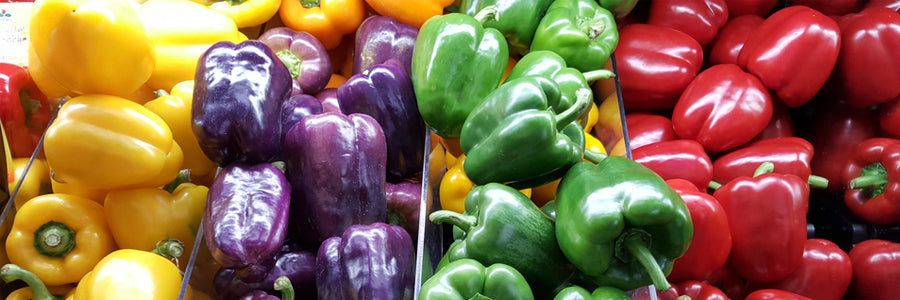
  • Peppers
  • Pimentos
  • Potatoes
  • Tobacco
  • Tabasco sauce
  • Tamarillo
  • Wolfberry

      Tips for reducing nightshade alkaloid exposure:

      • Cooking reduces alkaloid content of nightshade foods by about 30 to 50%.
      • Thickly peel nightshade food as most alkaloids are at the skin.
      • Eat fresh and avoid old nightshade foods.
      • Discard any green or sprouted potatoes.
      • Or remove any green or sprouted areas of potatoes before cooking.
      • The green and sprouting spots indicate high alkaloid levels.
      • Store a potato somewhere that is cool, dry and dark.
      • Keep potatoes away from light. The exposure to light will increase alkaloid formation.
        You might also like...

        CreatineWhat Is Creatine? Benefits, Purity & How to Choose the Right Creatine

        What Is Creatine? Benefits, Purity & How to Choose the Right Creatine

        Think all creatine is the same? Think again. Learn why purity, testing and manufacturing matter just as much as the ingredient itself. In this guide, Matt Legge breaks down the science behind creat...

        Read more
        CreatineCreatine: Unlocking Its Full Potential for Strength, Recovery & Brain Health

        Creatine: Unlocking Its Full Potential for Strength, Recovery & Brain Health

        Creatine monohydrate is one of the most researched and trusted supplements in the world of sports nutrition. Athletes, trainers, and health professionals have trusted it for decades, and for good r...

        Read more
        magnesiumMagnesium and sleep

        Magnesium and sleep

        Magnesium is an amazing element and is in fact the 8th most abundant element in the Earth's crust. It is also the third most abundant element dissolved in seawater. This means that, because of the ...

        Read more
        GuideBeginner’s Guide to Gym Supplements

        Beginner’s Guide to Gym Supplements

        Welcome to the bustling world of gym supplements! Whether you're a newcomer just stepping foot into a gym or you've been lifting weights for a while but feel a bit lost in the supplement aisle, thi...

        Read more
        CollagenWoman exercising in a gym. Is collagen good for muscle growth?

        Is Collagen Protein Good for Muscle Growth?

        Let's dive deep into the world of collagen. Now, when we think of pumping up those biceps and sculpting those quads, whey protein might be the first thing to spring to mind. But lurking in the shad...

        Read more
        IngredientsCitrulline Malate vs L-Citrulline: What’s the difference?

        Citrulline Malate vs L-Citrulline: What’s the difference?

        Have you ever found yourself standing in the supplement aisle, baffled by the array of options, and stumbled upon 'Citrulline Malate' and 'L-Citrulline'? These two often pop up in discussions about...

        Read more